Mobility systems fail when vehicle, cloud, and enterprise layers are not connected as one.
NexGenTek designs, builds, and operationalizes complex mobility systems for OEMs, Tier 1 suppliers, connected vehicle platforms, fleet operators, and logistics providers — under one governance model, with one accountable owner across every layer.
Controls independently audited — scope covers all delivery operations within automotive and mobility environments
Automotive and mobility organizations operate at the intersection of embedded hardware, real-time software, and enterprise systems.
The actual complexity inside automotive and mobility technology. Not the conference version.
Most of their technology problems exist at the boundaries between those layers — embedded hardware, real-time software, and enterprise systems that were never designed to operate as one.

Fragmented systems across vehicle, cloud, and enterprise layers
Vehicle ECUs, telematics control units, and V2X communication stacks were designed and validated independently of the cloud platforms and enterprise systems they are now expected to feed. The integration layer between those domains is often a collection of point-to-point connections built by whoever needed the data at the time — not a governed architecture with defined data contracts, error handling, or operational ownership.
Legacy manufacturing and supply chain infrastructure at production scale
Manufacturing execution systems, quality management platforms, and supply chain visibility tools operating across multi-tier supplier networks were built before cloud-native architecture was a viable option at production scale. They cannot be shut down during modernization. Every integration, migration, and modernization programme has to account for systems that are processing production orders while the transformation is happening around them.
Connected vehicle ecosystem complexity
Connected vehicle platforms aggregate telemetry, OTA update delivery, remote diagnostics, and V2X data streams across vehicle fleets with heterogeneous hardware. Managing software versions across hundreds of thousands of vehicles — each with different ECU configurations, network conditions, and regulatory requirements by market — requires a platform architecture that most OEM IT organizations did not need to build until three years ago and are still building now.
Real-time telemetry processing at fleet scale
A fleet of 50,000 connected vehicles generating 5GB of telemetry per vehicle per day produces a data processing requirement that is not solved by conventional enterprise data architecture. The latency requirements for safety-critical alerts, the governance requirements for cross-market data flows, and the query performance requirements for real-time operational decisions require engineering decisions that have to be made correctly before the platform is built — not corrected after it is running.
System-level execution across vehicle, cloud, and enterprise layers.
NexGenTek operates as a unified execution layer across consulting, system integration, and specialized staffing for automotive and mobility environments.
Architecture decisions for vehicle software interfaces, cloud platform design, and enterprise system integration are made by the same team, governed by the same framework, and executed without accountability gaps between layers.
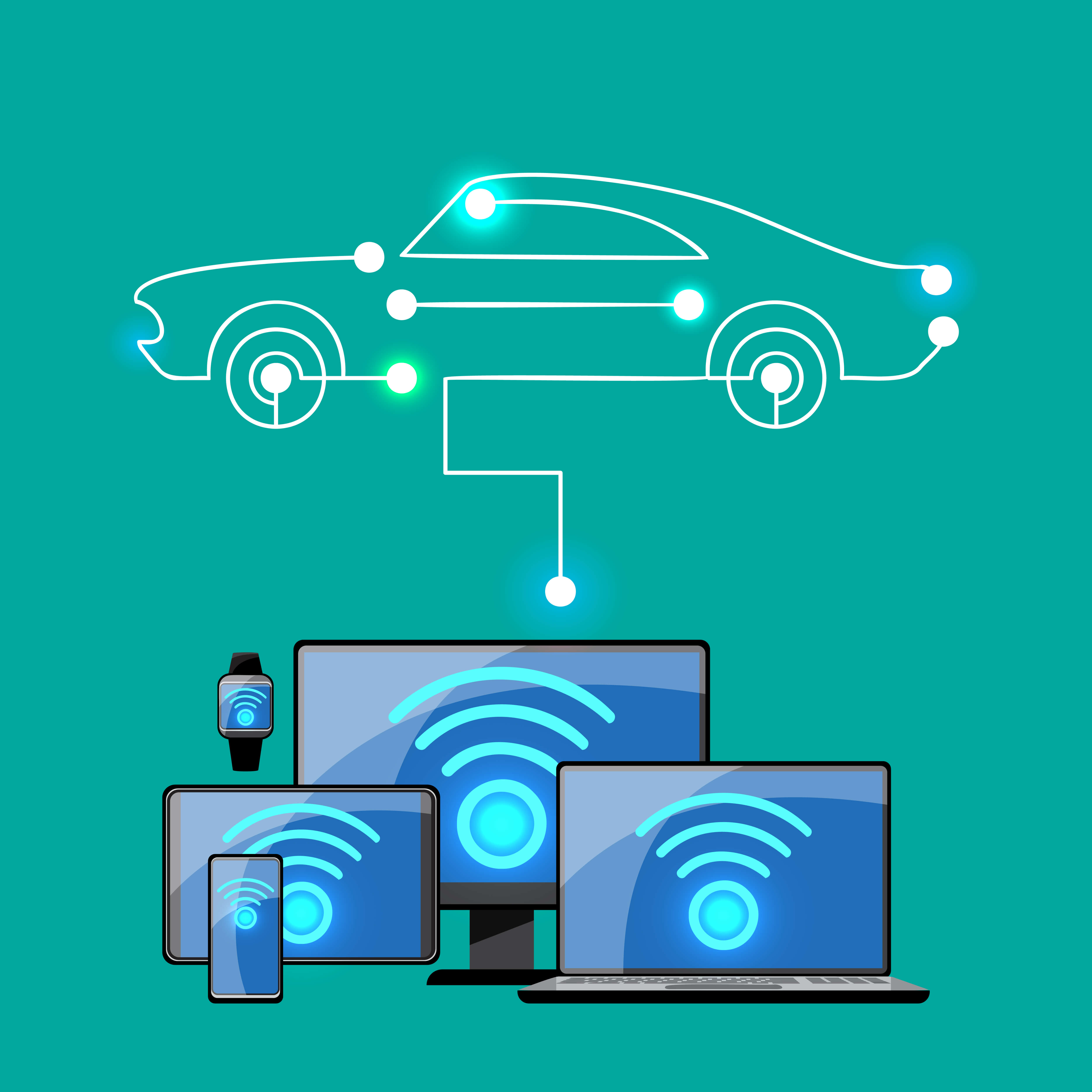
NexGenTek provides consulting expertise, execution teams, and augmentation within a single delivery model, eliminating the need for multiple vendors. In mobility environments, this means the team that designs the vehicle data architecture is the same team that builds the ingestion pipelines, validates the interfaces against ISO 26262 and ASPICE requirements, and deploys embedded engineers to sustain the platform after go-live.
Diagnose complex system challenges
NexGenTek begins with structured assessment — vehicle software stack, cloud platform architecture, enterprise integration dependencies, and the specific failure points that previous integration programmes did not resolve. The output is a signed architecture record with defined interfaces, data contracts, and acceptance criteria — not a technology evaluation report.
Architect and execute across hardware, software, and data layers
Connected vehicle platform development, manufacturing system modernization, real-time telemetry processing, and supply chain integration are executed as connected system components under one governance framework. Not parallel workstreams managed by separate vendors with separate timelines and separate accountability for the interfaces between them.
Deploy embedded talent for system continuity
After delivery, NexGenTek engineers remain embedded — aligned to the platform architecture, capable of managing OTA rollout campaigns, processing telemetry pipeline changes, and extending the system for new vehicle models. This is execution stability across the product lifecycle, not a support contract.
Six capabilities designed for the system complexity of automotive and mobility environments.
These are not generic technology services applied to automotive clients.
Each capability is calibrated to the specific technical, operational, and regulatory constraints of OEMs, Tier 1 suppliers, connected vehicle platforms, and fleet operators.
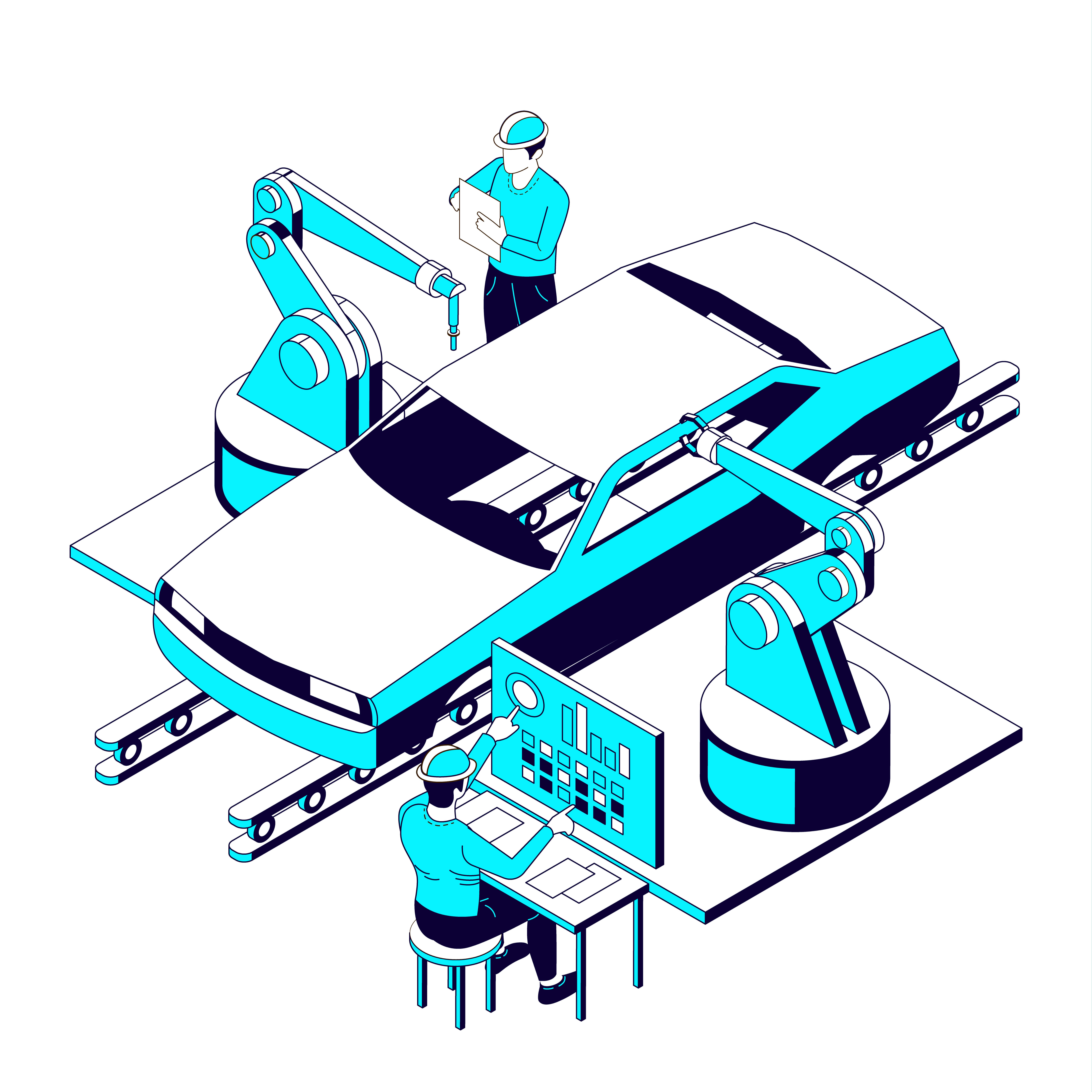
Connected Vehicle Platform Development and Integration
End-to-end platform delivery for connected vehicle ecosystems — from vehicle data ingestion through cloud processing to enterprise system connectivity.
Connected vehicle platforms require governing three fundamentally different technical domains simultaneously: vehicle-side software (ECU, TCU, AUTOSAR middleware), cloud infrastructure (telemetry ingestion, processing, storage), and enterprise integration (after-sales systems, fleet management, OEM back-office). NexGenTek designs and delivers these layers as a connected architecture — with defined interfaces, validated data contracts, and SLAs covering end-to-end data delivery from vehicle to application.
Cloud Infrastructure for Mobility Systems
Cloud platform architecture and migration for automotive workloads — telematics backends, OTA delivery infrastructure, and manufacturing systems designed for the availability and latency requirements of production operations.
Automotive cloud infrastructure carries requirements that enterprise cloud migration programmes are not built for: sub-second latency for safety-critical telemetry, regional data residency obligations across vehicle markets, OTA update delivery to heterogeneous fleet hardware, and 99.999% availability requirements for connected services that affect vehicle functionality. NexGenTek designs and deploys cloud environments with IaC governance from first provisioning, validated against automotive-specific availability and latency requirements before any production workload migrates.
Data Engineering and Real-Time Telemetry Processing
High-throughput telemetry ingestion, real-time processing pipelines, and governed data platforms built for connected vehicle fleet scale and automotive decision latency requirements.
Vehicle telemetry at fleet scale — diagnostic codes, sensor readings, location data, usage events, and safety system activations — produces data volumes and latency requirements that outpace conventional enterprise data architecture. NexGenTek delivers telemetry processing pipelines engineered from the start for throughput, schema evolution across OTA software updates, and the query performance requirements of real-time operational monitoring, predictive maintenance, and fleet analytics.
Supply Chain and Manufacturing System Integration
Integration across MES, ERP, supplier portals, and quality systems — providing real-time production visibility without disrupting the manufacturing operations the integration is supposed to serve.
Automotive supply chain and manufacturing integration programmes fail when they treat production systems as data sources rather than operational systems that cannot tolerate unplanned downtime. NexGenTek integrates MES, ERP, SCADA, quality management, and supplier portal systems through governed API architecture — with migration sequenced by production dependency, parallel running with validated reconciliation, and defined rollback procedures before any system cutover.
Fleet Management and Mobility Platform Solutions
Fleet management platforms, mobility-as-a-service backends, and operational systems built for the real-time data requirements and scale of commercial fleet and shared mobility operations.
Fleet operators and mobility platforms require operational systems that process real-time vehicle data, manage complex dispatch and routing logic, integrate with OEM telematics APIs and third-party data providers, and produce compliance-ready reporting for insurance, emissions, and regulatory obligations. NexGenTek delivers fleet and mobility platforms with defined data ingestion SLAs, validated third-party API integrations, and operational runbooks designed for the 24/7 availability requirements of commercial fleet operations.
Custom Software Development for Automotive Systems
Secure, scalable automotive software — vehicle software components, diagnostic tools, dealer systems, and internal engineering platforms built to ASPICE and ISO 26262 requirements where applicable.
Automotive software development operates within process and safety constraints that standard agile delivery models are not designed to accommodate. NexGenTek builds automotive software — from embedded components following AUTOSAR standards to dealer management systems and engineering toolchains — with ASPICE process compliance, traceability requirements, and functional safety considerations addressed as delivery constraints from the first architecture decision, not as documentation exercises after the code is written.
Specialist automotive engineers inside your environment. Not contractors against a vacancy.
Automotive and mobility systems require engineers who understand the difference between a telemetry pipeline that works in a lab environment and one that handles 500,000 simultaneous vehicle connections during a peak traffic period.
Sourcing that expertise through staffing channels optimized for speed and volume produces engineers who understand one of those two contexts. NexGenTek deploys embedded talent as execution continuity — practitioners aligned to the platform architecture and the specific operational constraints of automotive environments.
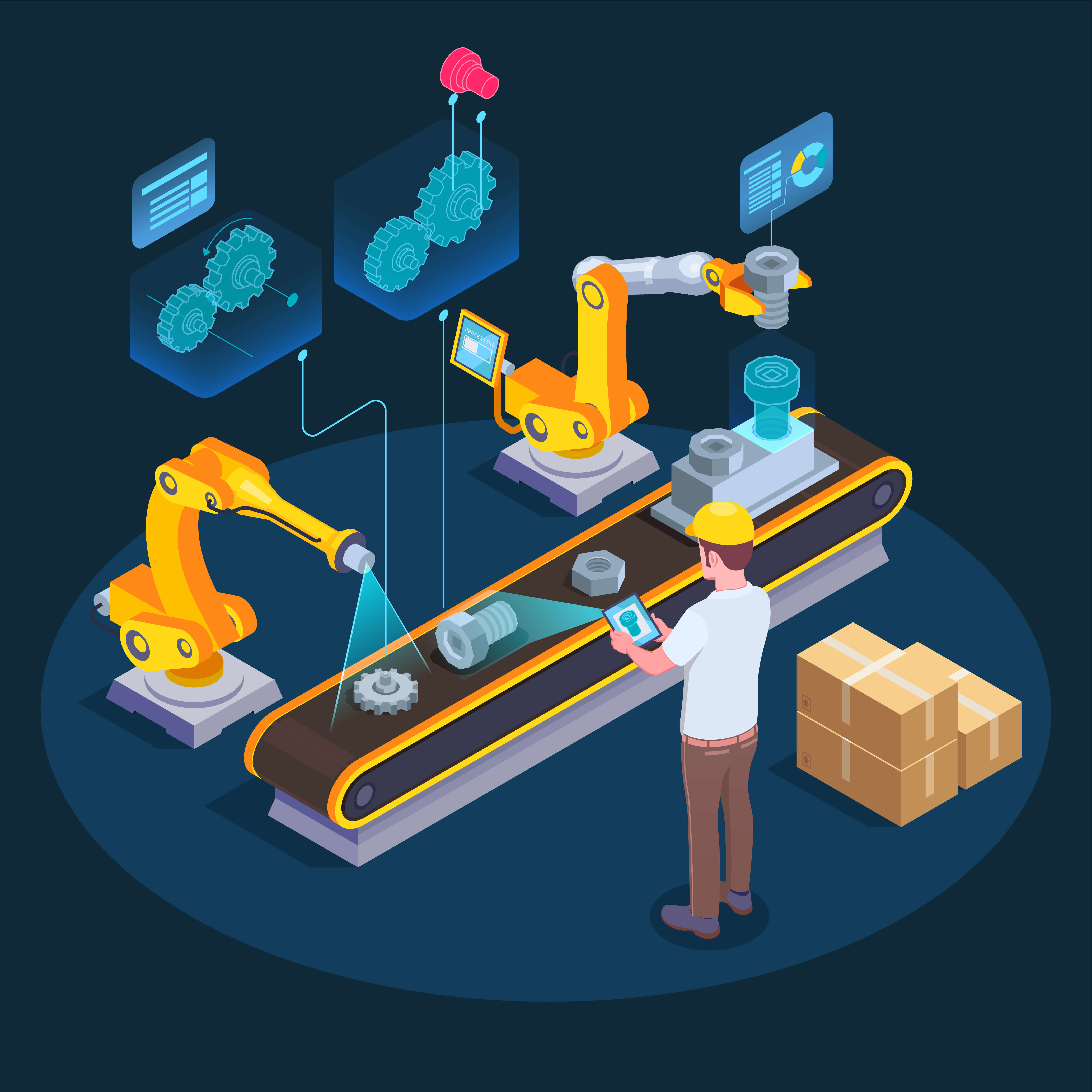
Execution continuity across the mobility product lifecycle
NexGenTek provides consulting expertise, execution teams, and augmentation within a single delivery model, eliminating the need for multiple vendors. Embedded engineers are deployed with knowledge of the system they are sustaining — vehicle interfaces, cloud platform architecture, integration contracts, and operational runbooks. They operate within the NexGenTek governance framework and carry the same delivery standards regardless of which client environment they are in.
Practitioners with vehicle system engineering knowledge
Embedded engineers understand AUTOSAR middleware, ECU communication protocols (CAN, LIN, Ethernet/SOME-IP), V2X standards, and OTA update rollout constraints. They make architecture decisions that account for vehicle hardware limitations, not just cloud platform best practices.
Deployed with system context, not starting from discovery
Embedded talent is deployed with documented architecture context — interface specifications, data contracts, telemetry schemas, and operational runbooks. They can operate, extend, and troubleshoot independently from the first day. OTA campaigns, pipeline changes, and new vehicle model integrations do not require re-engaging a delivery team from scratch.
Scale up for model year programmes, scale down after launch
Automotive programmes have defined cadence — model year planning, homologation cycles, and launch windows create predictable demand spikes. NexGenTek scales embedded capacity to programme demand without changing the governance framework, quality standards, or accountability model.
Four scenarios. Each representing a real category of automotive technology engagement.
These represent the types of programmes NexGenTek executes in automotive and mobility environments — structured by problem, approach, and operational outcome.
Each programme reflects a distinct category of engagement, designed to address real-world operational challenges across OEMs, fleet platforms, and mobility ecosystems — with defined inputs, execution models, and measurable outcomes aligned to system performance and business value.

OEM operating connected vehicle services across four markets with four separate telematics backends, each built by a different regional team with different data schemas, different API interfaces, and different latency profiles. Vehicle telemetry could not be aggregated at the global level. Cross-market analytics required manual data reconciliation. OTA update delivery was managed separately per market with no unified rollout governance.
NexGenTek defined a unified vehicle data architecture — canonical telemetry schema, validated transformation layer for each regional format, and a global aggregation platform with defined data contracts. Integration architecture signed off before any platform development began. OTA update orchestration designed with fleet segmentation, phased rollout capability, and automated rollback triggers. Regional data residency requirements addressed in the platform architecture, not as post-deployment configuration.
Unified telemetry platform processing vehicle data across all four markets with sub-2-second end-to-end latency from ECU event to application query. Cross-market analytics available without manual reconciliation. OTA rollout campaigns managed centrally with per-vehicle telemetry validation during update sequences. Full platform source code and architecture documentation transferred — OEM team manages all future model year integrations independently.
Tier 1 supplier operating six manufacturing plants across three countries with MES and ERP systems that could not communicate in real time. Production order status, quality hold events, and supplier delivery confirmations moved between systems through batch file transfers running on overnight schedules. Premium freight decisions were made on data that was 18 hours old. Two prior integration programmes failed before reaching production across more than two plants.
Full dependency mapping across all six plants before any integration development began. NexGenTek delivered an API integration layer connecting MES, ERP, and supplier portal through governed data contracts — event-driven, with defined error handling and data quality SLAs. Migration sequenced by plant dependency and production calendar. Parallel running with validated reconciliation across 16 cycles per plant before any batch file transfer was retired. Zero unplanned production stops across the entire programme.
Real-time production order visibility across all six plants. Quality hold events triggering automated supplier notifications within 4 minutes of MES detection. Premium freight decisions now made on data with a maximum 90-second age. All batch file transfers retired. Integration architecture and source code transferred at close — supplier team owns the system and manages new plant integrations independently.
Fleet operator managing 45,000 commercial vehicles across logistics and last-mile delivery operations with telematics data siloed in 7 separate vendor platforms, each with proprietary APIs and different data refresh rates. Operations teams had no real-time visibility across the full fleet. Driver behaviour scoring, fuel efficiency analysis, and predictive maintenance signals required manual extraction and reconciliation from seven separate exports. Emissions reporting for EU regulatory obligations required 3 weeks of manual preparation per quarter.
NexGenTek delivered a unified fleet data platform — normalised ingestion layer across all seven vendor APIs, event-driven processing pipeline, and a real-time operational dashboard with defined data freshness SLAs. Predictive maintenance models trained on the historical telemetry consolidated during platform build. Emissions reporting automated from the governed data layer. Platform designed to absorb new telematics providers without pipeline rearchitecture.
Unified operational view across all 45,000 vehicles with maximum 60-second data age across all seven telematics sources. Predictive maintenance alerts reducing unplanned vehicle downtime. Quarterly EU emissions report produced in 2 business days from automated data layer — down from 3 weeks of manual preparation. Two additional telematics providers onboarded after go-live without NexGenTek involvement. Full platform source code transferred at close.
Mobility platform provider managing connected vehicle services for three OEM clients with no unified OTA update delivery infrastructure. Each OEM's vehicle software updates were delivered through a separate process, each with separate rollout governance, separate vehicle eligibility logic, and separate failure detection. A single failed update campaign caused a 6-hour service outage affecting 180,000 vehicles. No automated rollback capability existed. The platform team had no visibility of update status at the individual vehicle level during active campaigns.
NexGenTek designed and delivered a unified OTA orchestration platform — fleet segmentation engine, phased rollout logic, real-time campaign monitoring, and automated rollback triggers based on telemetry anomaly detection during the update window. Rollback decision logic defined in architecture before any campaign tooling was built. Platform designed to support multi-OEM vehicle profiles with separate eligibility criteria and separate campaign governance per OEM without separate delivery infrastructure.
OTA campaigns with per-vehicle update status visibility in real time. Phased rollout reducing per-campaign risk exposure from full fleet to configurable percentage segments. Automated rollback triggered in 3 incidents during the first 6 months of operation — average rollback execution time under 8 minutes. Zero service outages caused by failed update campaigns since platform launch. Platform extended to a fourth OEM client by the mobility provider's own team after documentation transfer.
Outcomes measured by system reliability, operational continuity, and delivery velocity.
The outcomes below reflect what changes when a single governance model replaces fragmented vendor execution across automotive and mobility systems.
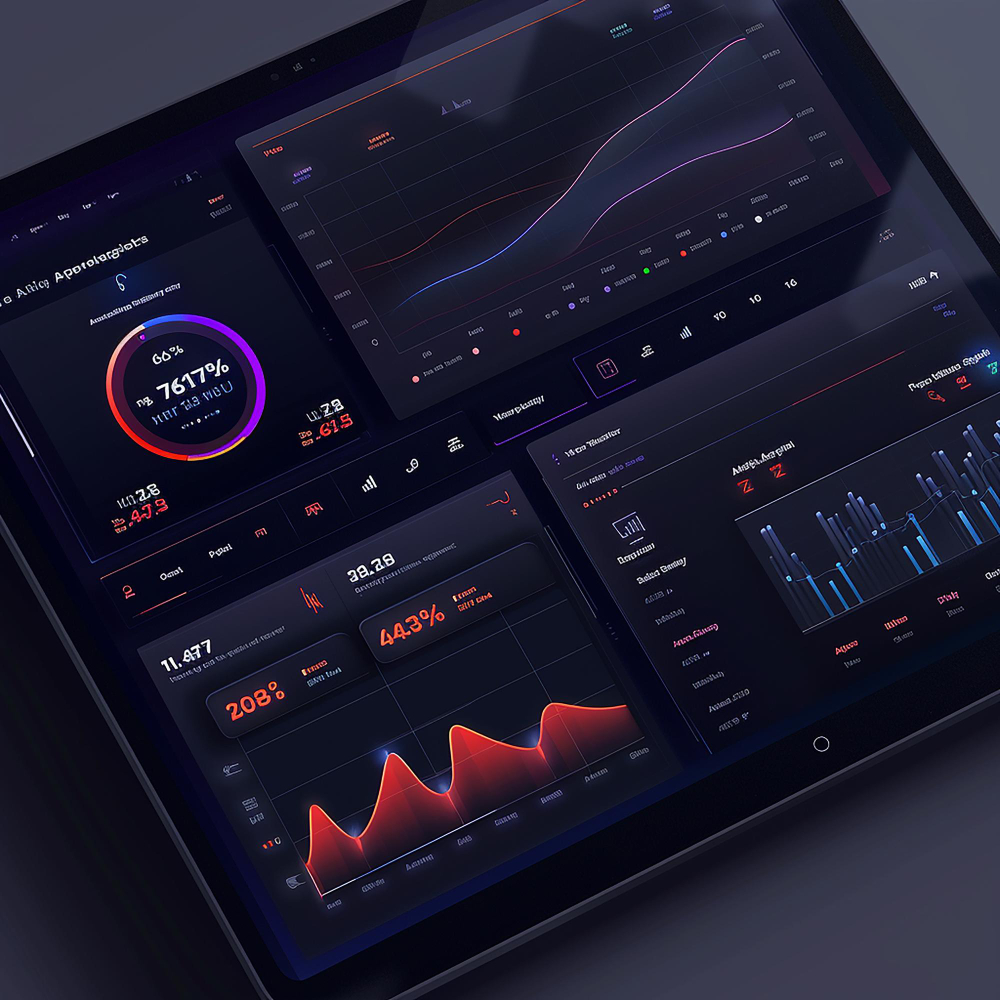
NexGenTek enables measurable improvements in uptime, response time, and system performance by aligning architecture, execution, and operational ownership — reducing failure points while accelerating delivery across complex mobility environments.
Reduced operational disruption
Single governance model across vehicle, cloud, and enterprise layers eliminates the accountability gaps where most automotive integration failures originate. Validated cutover procedures and tested rollback capability before every production change.
Faster system integration and deployment
Architecture and interface specifications defined before development begins. Acceptance criteria agreed before each phase. Integration testing against live vehicle data completed before go-live. The structural causes of schedule overrun in automotive technology programmes are addressed before they occur.
Improved data visibility and decision-making
Unified telemetry pipelines, real-time production data, and governed data contracts replace batch file transfers and manual reconciliation. Operational decisions — fleet dispatch, production scheduling, quality escalation — are made on data with defined freshness SLAs, not on the most recent manual extract.
Increased system reliability and scalability
IaC-governed cloud environments, event-driven integration architecture, and defined uptime SLAs produce platforms that perform consistently at the scale of production vehicle fleets — without engineering interventions every time a new vehicle model or market is added.
Lower long-term infrastructure costs
Full IP transfer at close means the client team manages model year integrations, new market launches, and OTA campaign changes without re-engaging the delivery vendor. Embedded talent aligned to the architecture extends the system without the knowledge loss that follows every project handover in the traditional vendor model.
Cross-layer operational continuity
Embedded engineers who understand vehicle protocols, cloud platform architecture, and enterprise integration operate across all three layers. When a firmware update changes a telemetry schema, the same team that designed the ingestion pipeline handles the downstream data contract update — without a three-vendor coordination cycle.
A delivery model built for multi-layer mobility system complexity.
Most firms deliver automotive technology projects. NexGenTek delivers automotive systems.
In automotive and mobility environments, the gap between a technology project that delivers within scope and a system that operates reliably in production is almost always a governance gap — not a technical capability gap. NexGenTek is accountable to the system, not to the contract scope.

Three ways to engage. One delivery and governance standard.
Engagement models are extensions of the system, not separate service offerings.
NexGenTek provides consulting expertise, execution teams, and augmentation within a single delivery model, eliminating the need for multiple vendors.
Whether NexGenTek is owning a full connected vehicle platform programme, embedded within an existing OEM engineering team, or augmenting a Tier 1 supplier's integration capability — the same governance framework, quality controls, and accountability structure apply. The scale changes. The system does not.
Full Programme Delivery
End-to-end programme ownership — vehicle data architecture, cloud platform build, enterprise integration, and operational handover under defined SLAs with full IP transfer at close.
Embedded Programme Execution
NexGenTek practitioners embedded within an existing OEM or Tier 1 programme — defined deliverables, milestone accountability, and automotive domain expertise within client governance.
Specialist Engineering Augmentation
Specialist automotive engineers deployed as a force multiplier — aligned to the platform architecture and capable of operating across vehicle, cloud, and enterprise layers from day one.
Structured to meet automotive enterprise procurement and security requirements.
Automotive and mobility vendor due diligence includes vehicle cybersecurity requirements under UN ECE WP.29 R155, connected vehicle data handling obligations across multiple regulatory jurisdictions, and supply chain security assessments aligned to TISAX and ISO 21434. NexGenTek is structured to meet these requirements before a commercial commitment is made.
Automotive Compliance Package
Eight documents covering the complete vendor security and compliance review — including automotive-specific provisions. Delivered within 24 hours of NDA execution. No commercial agreement required.
Speak with our teamNDA within 2 hours · Package within 24h · No commitment required
- ISO 27001:2022 certificate and scope
- SOC 2 Type II full report (NDA)
- ISO 9001:2015 certificate
- Pre-completed SIG Lite questionnaire
- DPA with connected vehicle data provisions
- Penetration test summary (connected vehicle)
- IP assignment and transfer terms
- SLA framework with service credit terms
Discuss your mobility systems strategy.
If your vehicle, cloud, and enterprise layers are not operating as a connected system — or if previous integration programmes have failed to close that gap — the cause is structural. We are built to operate at that level of complexity.